
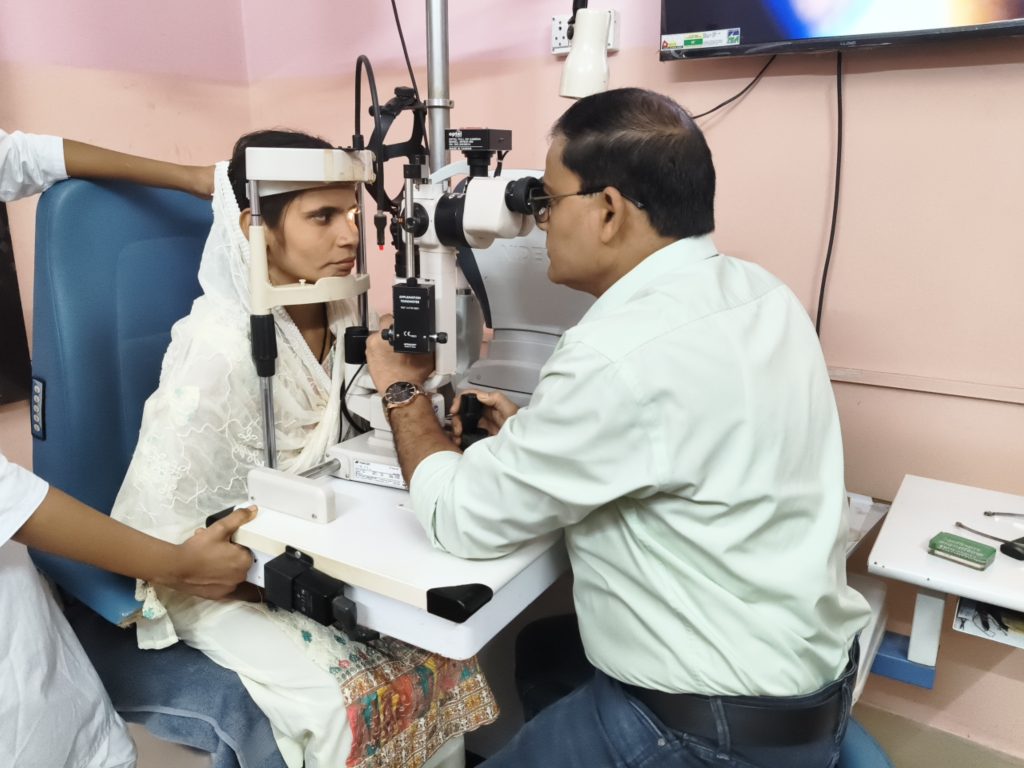
Cataract Surgery in Giridih: Symptoms, Causes, Treatment and Recovery
Cataracts are one of the common causes of vision problems, especially among older adults. If you are experiencing blurry vision, difficulty seeing at night, or trouble reading, cataracts may be one possible reason. The good news is that cataracts can be treated with modern eye surgery.
If you are searching for Cataract Surgery in Giridih, understanding the symptoms, treatment options and recovery process can help you make an informed decision.
Dr. Deepak Kumar is an Eye Specialist & Phaco Surgeon in Giridih, providing eye care and guidance for patients with cataract-related vision problems.
What Is a Cataract?
A cataract is a condition in which the natural lens inside the eye becomes cloudy. Normally, this lens is clear and helps focus light onto the retina. When it becomes cloudy, light cannot pass through properly, resulting in blurred or hazy vision.
Cataracts usually develop gradually and are more common with increasing age. They may affect one or both eyes.
Common Symptoms of Cataracts
Cataract symptoms often develop slowly. You may not notice significant changes in the early stages, but vision can become increasingly affected over time.
Some common warning signs include:
- Blurry or cloudy vision
- Difficulty seeing clearly at night
- Increased sensitivity to sunlight and bright lights
- Glare from vehicle headlights while driving
- Colours appearing faded or less bright
- Difficulty reading or watching television
- Frequent changes in eyeglass prescriptions
- Seeing halos around lights
If you notice these symptoms, consult an eye specialist for a proper examination. These symptoms can also occur due to other eye conditions, so an eye examination is important.
What Causes Cataracts?
The most common cause of cataracts is age-related changes in the natural lens of the eye. However, several other factors may increase the risk.
These include:
- Ageing: The risk of cataracts increases as people get older.
- Diabetes: People with diabetes may develop cataracts at an earlier age.
- Eye Injury: Previous injuries to the eye can sometimes lead to cataracts.
- Long-term Steroid Use: Prolonged use of certain steroid medicines may increase the risk.
- Family History: A family history of cataracts may increase the likelihood of developing the condition.
- Smoking and UV Exposure: Smoking and prolonged exposure to sunlight without proper eye protection may contribute to cataract risk.
What Is Cataract Surgery?
Cataract surgery is a procedure in which the cloudy natural lens is removed and replaced with a clear artificial lens called an Intraocular Lens (IOL).
The purpose of cataract surgery is to improve vision affected by cataracts. An eye specialist examines the patient and recommends surgery based on the cataract, vision problems and overall eye health.
What Is Phaco Surgery?
Phacoemulsification, commonly known as Phaco Surgery, is a modern technique used for cataract removal.
During this procedure:
- The eye is prepared using appropriate anaesthesia, usually local anaesthesia.
- A small incision is made in the eye.
- Ultrasound energy is used to break the cloudy lens into smaller pieces.
- The lens fragments are removed using a specialised instrument.
- An artificial intraocular lens (IOL) is placed inside the eye.
Phaco surgery generally involves a small incision and many patients can return home on the same day. However, the exact procedure and suitability depend on the patient’s eye condition.
Benefits of Phaco Cataract Surgery
When recommended by an eye surgeon, phacoemulsification may offer several benefits:
- Small surgical incision
- No stitches required in many routine cases
- Less surgical discomfort for many patients
- Usually a day-care procedure
- Relatively quick visual recovery in many patients
- Improved vision after successful surgery
Every patient’s eye condition is different. Your surgeon will explain the expected benefits and possible risks before the procedure.
How Is Cataract Surgery Performed?
Before cataract surgery, the eye specialist performs a detailed examination to understand the condition of the eye and select a suitable artificial lens.
The process generally includes:
1. Eye Examination
The doctor checks vision and examines the eye to assess the cataract and identify other eye conditions.
2. Lens Measurement
Special tests are performed to measure the eye and help determine the appropriate intraocular lens power.
3. Surgical Procedure
The cloudy lens is removed using the selected surgical technique, and an artificial lens is implanted.
4. Post-Surgery Care
The patient receives instructions about prescribed eye drops, eye protection, activity restrictions and follow-up visits.
Recovery After Cataract Surgery
Most patients recover gradually after cataract surgery. Vision may initially appear blurry and improve over the following days, depending on the individual condition.
For proper recovery, follow your eye surgeon’s instructions.
Some important precautions include:
- Use prescribed eye drops as directed.
- Avoid rubbing or pressing the operated eye.
- Keep water and dust away from the eye as instructed.
- Avoid heavy lifting or strenuous activities until permitted by your doctor.
- Attend all scheduled follow-up appointments.
- Wear protective glasses or an eye shield if advised.
If you experience severe eye pain, sudden loss of vision, increasing redness or any unexpected symptoms after surgery, seek immediate medical attention.
When Should You Consult an Eye Specialist?
You should consider an eye examination if blurry vision starts affecting your daily activities, such as reading, driving, recognising faces or watching television.
Do not ignore persistent vision problems or rely only on changing your glasses. A proper eye examination can help identify whether cataracts or another eye condition is responsible.
Looking for Cataract Surgery in Giridih?
If you or a family member is experiencing cataract symptoms, consulting an experienced eye specialist is an important first step.
Dr. Deepak Kumar – Eye Specialist & Phaco Surgeon in Giridih provides eye care consultation and guidance for patients with cataract-related vision concerns.
For information about cataract evaluation and suitable treatment options, contact Dr. Deepak Kumar’s clinic in Giridih, Jharkhand.
Book an Eye Consultation Today
Take the first step towards better eye health with a professional eye examination.
Frequently Asked Questions (FAQs)
1. What is the best treatment for cataracts?
Cataract surgery is the established treatment for removing a cloudy natural lens. An eye specialist will determine when surgery is appropriate.
2. Is phaco surgery suitable for everyone?
Phaco surgery is suitable for many cataract patients, but not every eye is the same. The surgeon decides the appropriate technique after examining the eye.
3. How long does cataract surgery take?
The procedure itself commonly takes around 20–45 minutes, although preparation and post-operative observation may take additional time.
4. Is cataract surgery painful?
The procedure is generally performed under local anaesthesia. Patients may experience some discomfort, but the surgeon will explain what to expect.
5. How long does it take to recover after cataract surgery?
Many patients notice improvement within a few days, but complete healing can take several weeks. Recovery varies from person to person.
6. Where can I consult an eye specialist for cataracts in Giridih?
You can contact Dr. Deepak Kumar, Eye Specialist & Phaco Surgeon in Giridih, for an eye examination and guidance about cataract treatment.
Medical Disclaimer: This article is for general educational purposes only. It does not replace a professional eye examination, diagnosis or personalised medical advice. Treatment decisions should be made after consultation with a qualified eye specialist.
